Editor’s Note:
This article is part of a Digital Summit Collective series where we’re turning standout live sessions from recent Digital Summit events into actionable, on-demand insights for our community. Each piece is adapted from a real stage presentation—capturing the ideas, examples, and strategic thinking that resonated most with attendees.
Nicki Snyder didn’t frame this conversation around damage control.
She framed it around visibility.
Because the way most brands think about comments is still reactive. A negative comment shows up, and the instinct is to either ignore it or shut it down as quickly as possible.
But that instinct misses the bigger picture.
Every comment—good, bad, or uncomfortable—is a moment where your brand is on display. Not just to the person who wrote it, but to everyone else reading the thread.
And they are paying attention.
Every Comment Is Public, Whether You Like It or Not
One of Snyder’s clearest points is that comments are never just one-to-one interactions.
They are public.
When someone leaves a comment, your response becomes part of the experience for everyone else who sees it. People are forming opinions based on how you show up, how you handle feedback, and how human your response feels.
That’s what makes comment sections so powerful. They aren’t just a place for feedback. They are an extension of your brand.
Or, more simply, every comment is a marketing moment.
Silence Isn’t Neutral
It’s easy to assume that not responding is the safer choice.
But silence isn’t neutral. It sends its own message.
When brands don’t engage, it can come across as dismissive or absent. Even if that’s not the intent, that’s how it’s interpreted.
This doesn’t mean you need to respond to everything immediately or emotionally. But it does mean that choosing not to respond is still a decision, and one that shapes perception.
Being present matters.
The Real Audience Isn’t Just the Commenter
A common mistake brands make is treating comments like private conversations.
They’re not.
When you respond, you’re speaking to everyone who is reading along. That’s the real audience.
Snyder shared examples where thoughtful, respectful responses didn’t just address the original comment—they earned positive reactions from others watching the exchange.
That’s where the value shows up.
People aren’t just evaluating what happened. They’re evaluating how you handled it.
A Simple Framework for Responding
Instead of reacting on instinct or relying on scripted replies, Snyder outlined a straightforward way to approach responses.
Start by acknowledging the comment without arguing. Even if the tone is off, there’s usually something you can recognize.
From there, personalize the response. Avoid anything that feels templated or overly polished. People can tell when they’re getting a copy-and-paste answer.
Then offer something useful. That could be a solution, a clarification, or even a bit of humor if it fits your brand.
Finally, close the loop. Keep it simple, keep it human, and move on.
The goal isn’t to extend the conversation. It’s to handle it well.
Consistency Builds Trust
Another challenge Snyder highlighted is consistency.
Most brand accounts aren’t run by a single person. Different team members are responding at different times, often under pressure.
That’s when tone starts to drift.
The solution isn’t to script every response. It’s to define your brand voice clearly enough that anyone responding can stay aligned.
That includes deciding how formal or casual you want to be, how much personality you bring into responses, and how you handle difficult moments.
When it’s consistent, it builds trust. When it’s not, people notice.
Avoid Sounding Like a Script
Templated replies might feel efficient, but they come with a cost.
They flatten the interaction.
Snyder pointed out that when brands rely too heavily on pre-written responses, they start to sound robotic. That creates distance at the exact moment when a human response matters most.
The same applies to overly polished or AI-generated replies. If it doesn’t sound like a real person, it weakens the connection.
This is one of those moments where sounding human is more important than sounding perfect.
There Is a Line
Of course, not every comment should stay up.
There are clear situations where it’s appropriate to step in, remove content, or block users altogether.
That includes:
- repeated use of abusive or vulgar language
- personal attacks on employees or other customers
- conversations that are clearly no longer productive
In those cases, moderation isn’t avoidance. It’s setting boundaries.
The key is knowing when to engage and when to move on.
What to Do Right Now
- Treat every comment as a public brand moment: Your response isn’t just for one person. It’s for everyone watching.
- Don’t default to silence: Not responding sends a signal, whether you intend it or not.
- Use a simple response framework: Acknowledge, personalize, offer value, and close the loop.
- Define and maintain your brand voice: Make sure every response feels consistent and human.
- Set clear boundaries for when to step in: Engage by default, but don’t hesitate to moderate when necessary.
The Bottom Line
The comment section isn’t something to manage quietly in the background.
It’s a visible, ongoing part of your brand.
And every response—no matter how small—shapes how people see you.
You don’t need to win every interaction.
You just need to show up well.
Watch the Full Session
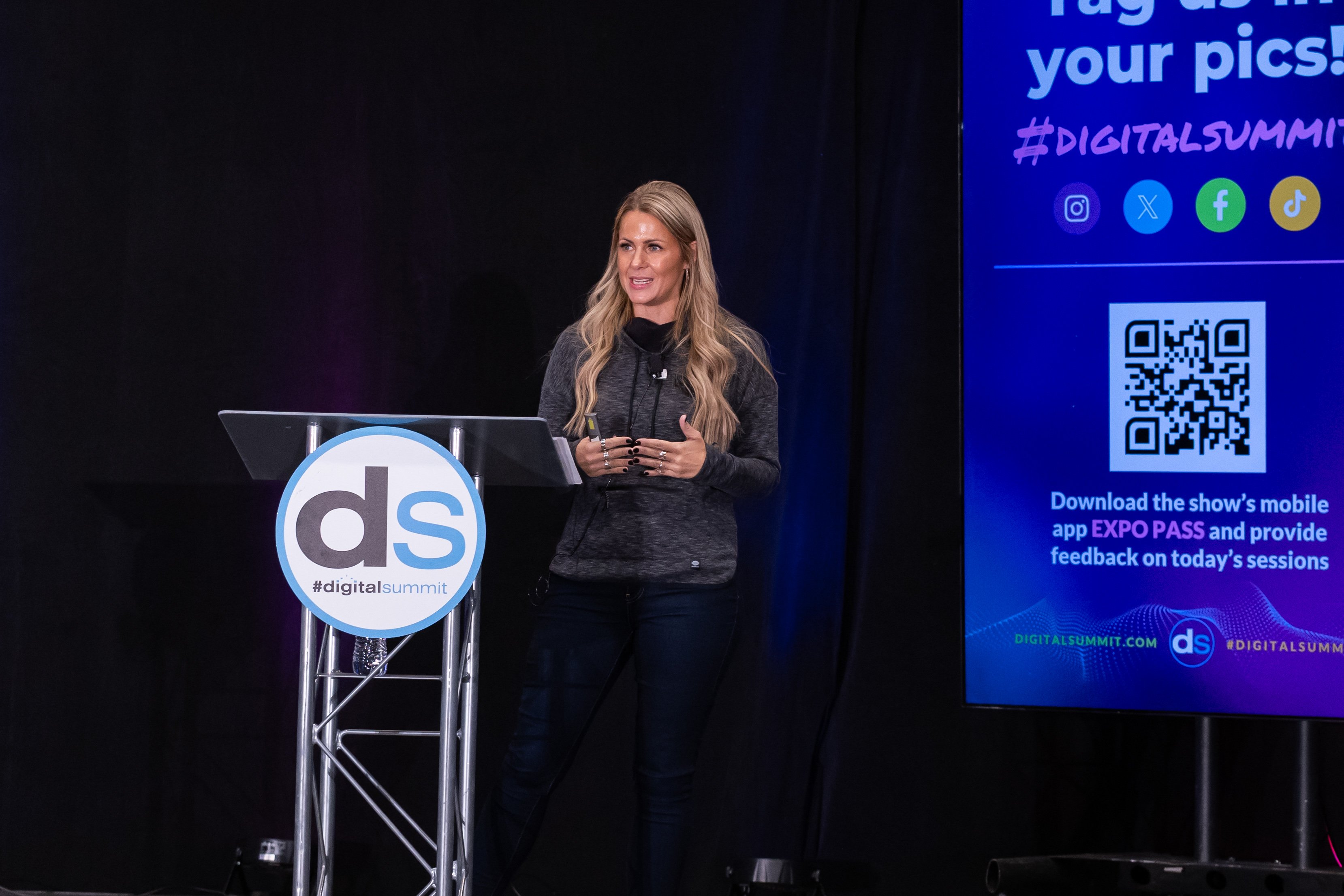
This article was adapted from the live session Don’t Feed the Trolls… Hug Them (Digitally): The Art of Turning Online Fury into Brand Loyalty presented by Nicki Synder at Digital Summit Raleigh 2025.
Watch the full video:
https://resource.digitalsummit.com/resources/material/dont-feed-the-trolls-ral25/
About the contributor: Nicki Snyder is the Chief Marketing Officer of American Road Group. Nicki has worked in the motorcycle industry for the past 17 years overseeing the marketing, advertising, public relations, social and digital strategies and teams for the largest Harley-Davidson dealer groups in the country. She started as a marketing coordinator for one location and is currently the CMO for American Road Group based out of Orlando, FL, housing 13 rooftops across 5 states with 500+ employees and leads a team of 11 direct reports. She has a B.A. in Journalism from Malone University in Ohio and has been a featured blogger on NBC’s Today Show and The Kelly Clarkson Show.
Her goal is to create exceptional customer experiences, remain focused and educated on current algorithms and digital marketing strategies and practices for the highest, understand the importance of the company voice, and always exceed both internal and external expectations.