Community
September 2026
The Reinvention

About this article:
The Side Project is a reflective, personal essay about the people, places, and passions that keep marketers creatively alive outside of work — and what those pursuits give back in return.
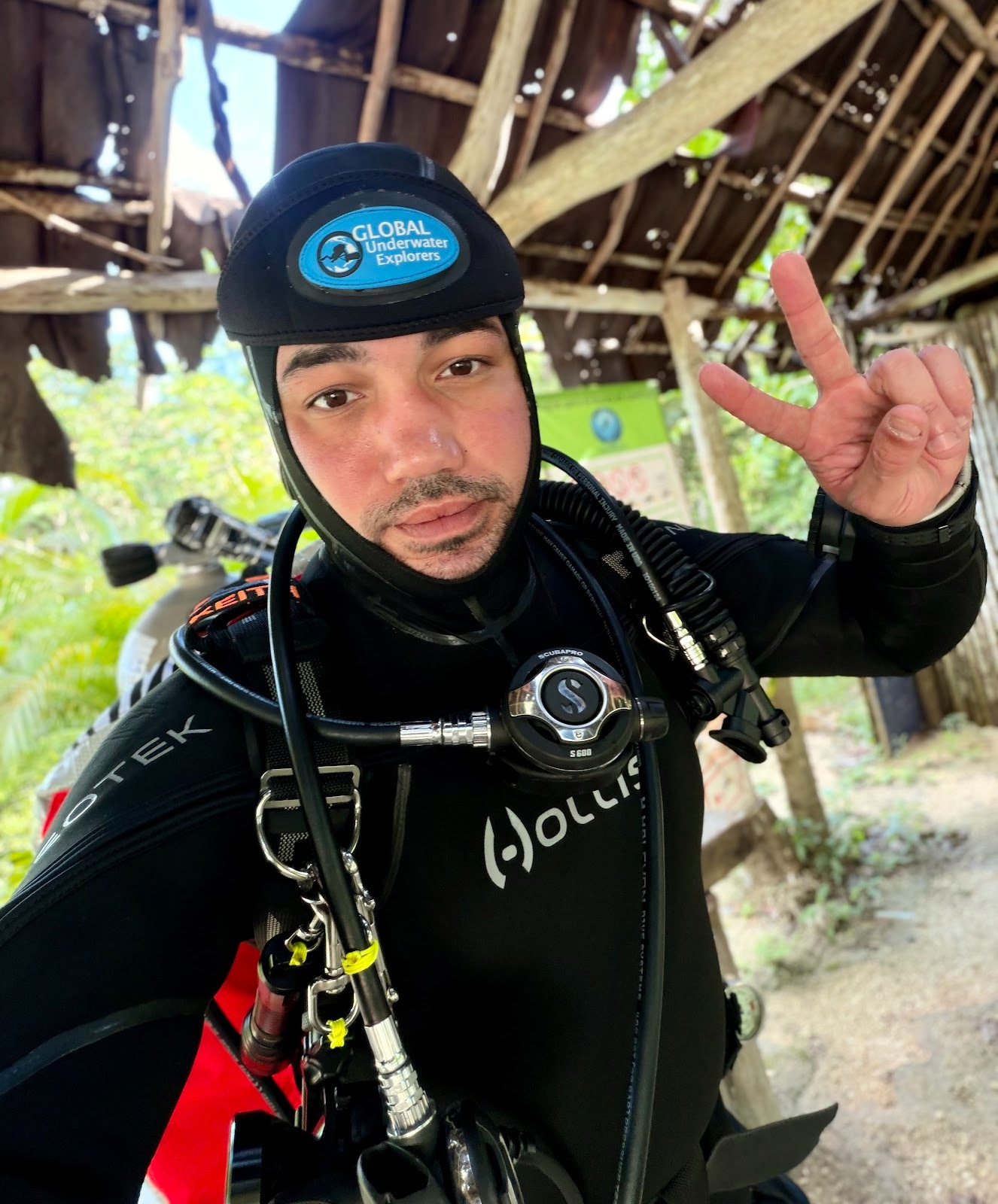
I’m a technical scuba diver.
Not the resort version with a quick briefing and a GoPro clip. The kind that trains obsessively, plans dives like engineering problems, and treats calm as a skill you earn, not a personality trait. It’s the one place in my life where digital media & performance metrics don't matter, and that has changed how I show up everywhere else.
Technical diving is generally not relaxing. Heavy double tanks. Redundant gear. Long training days where mistakes are expected and corrected promptly. Before every dive, there’s a plan detailed enough to feel excessive: depth, time, gas mixtures, failure scenarios. What happens if visibility drops. If a regulator fails. If someone has a bad day underwater.
Then you enter the water and the plan becomes a quiet agreement, not something you obsess over.
That balance between rigorous preparation and present-moment awareness is the core lesson.
Rush, and you burn air.
Tense up, and your buoyancy tells on you.
Skip fundamentals, and the environment reminds you why shortcuts don’t scale.
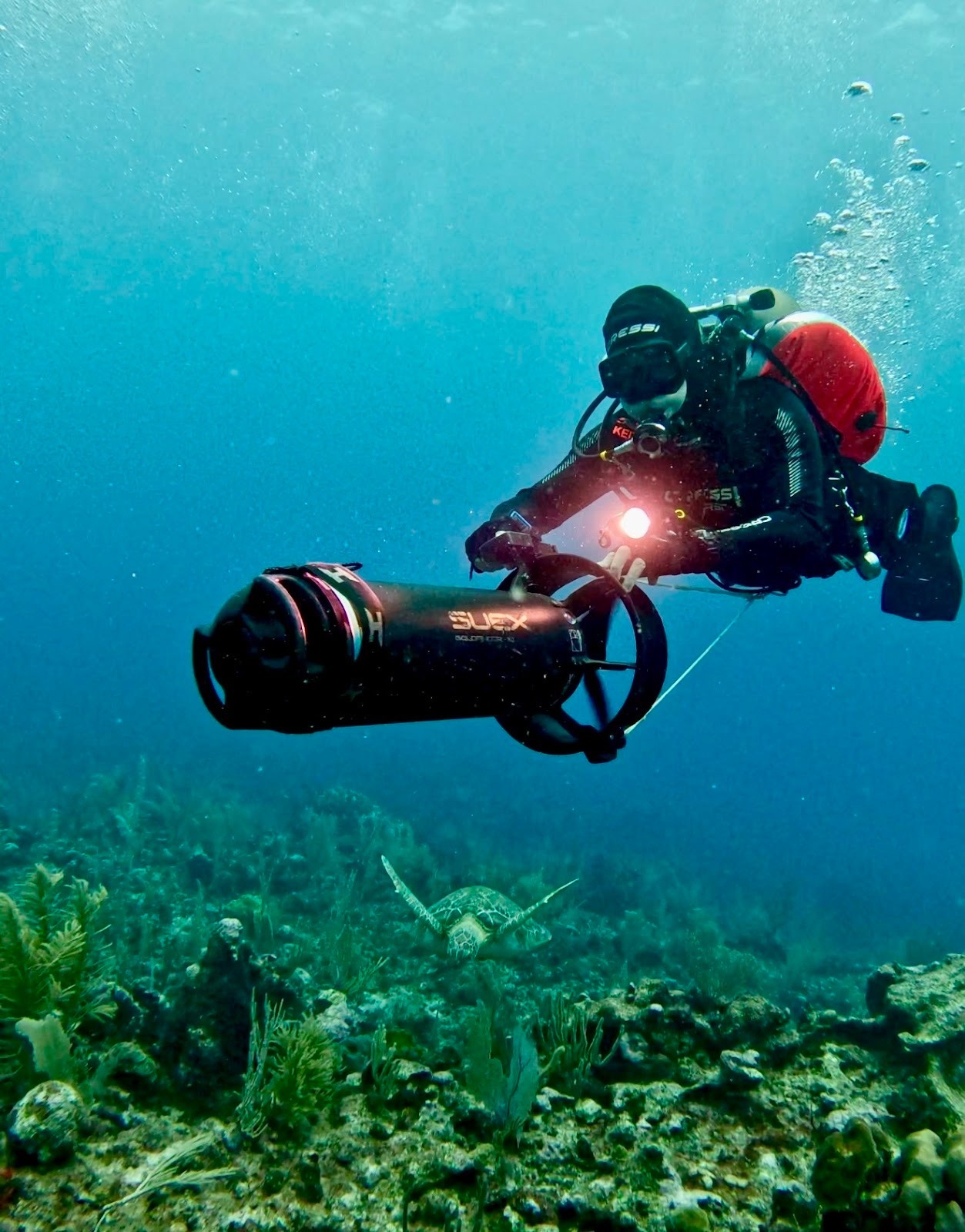
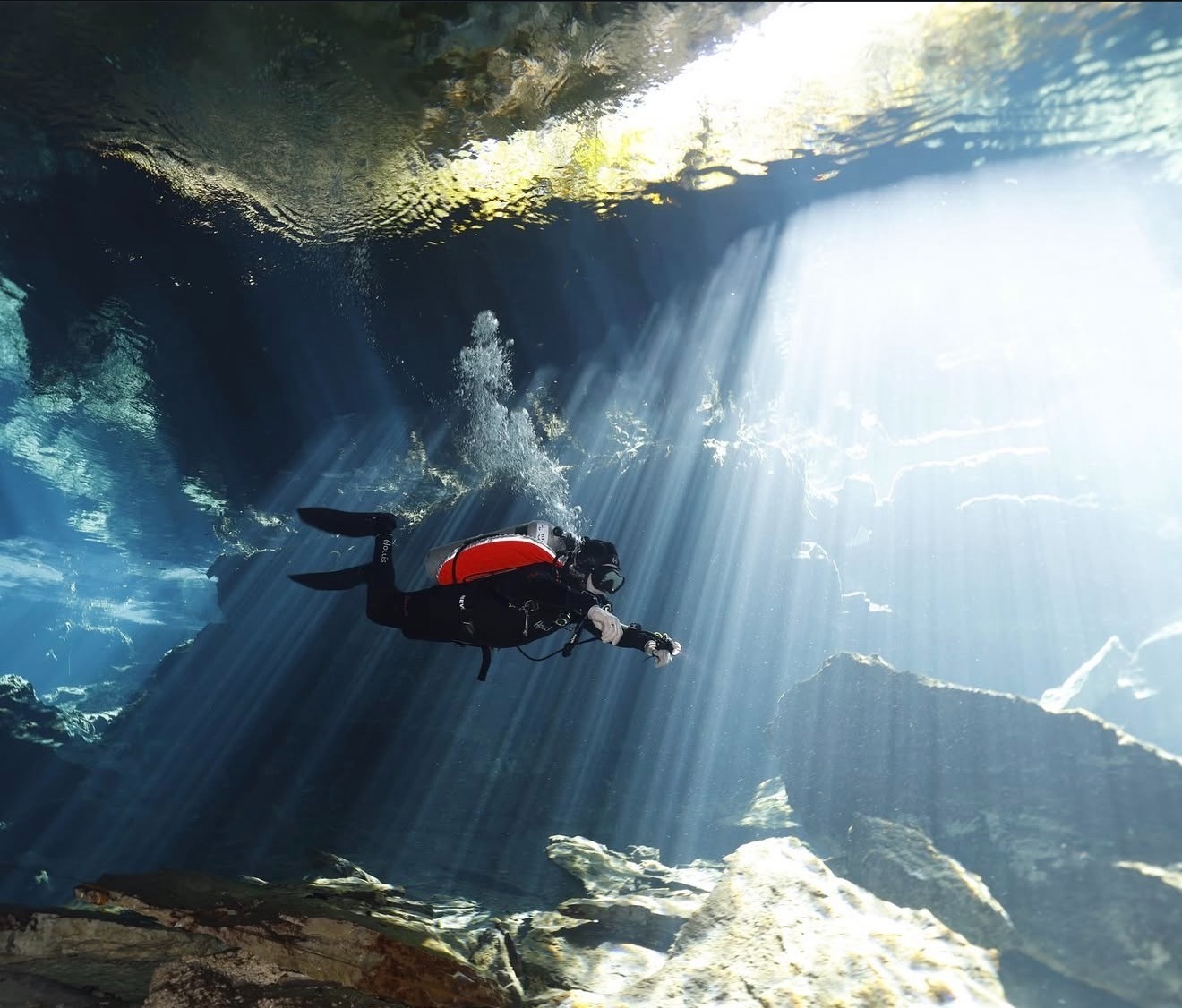
Last year, that lesson followed me to Mexico. More specifically the cenotes of Quintana Roo and the Yucatán.
If you’ve never seen them: imagine cathedral-like caverns carved by water over thousands of years. Crystal clear visibility. Absolute darkness beyond your light. And oftentimes, no direct overhead path to the surface. It’s some of the most beautiful diving on earth, and at the same time, completely unforgiving if you bring ego with you.
There’s a moment during a cave dive where the outside world disappears entirely. No phone. No Slack notifications. Just you and your team's breath, light and precise movement through a space that doesn’t care who you are or what you do for work.
That trip gave me photos and memories I’ll have for a lifetime, but more importantly, it gave me a mental reset I didn’t know I needed.
Marketing rewards speed, confidence and being “on.” Diving slows all of that down.
Underwater, your breathing is audible. Every inhale and exhale is feedback. If your mind races, your body shows it. You can’t fake calm at depth. There’s usually a moment on descent where my brain tries to drag work down with me. Slack threads, decks, conversations I should’ve handled differently.
They never survive more than a few breaths.
You cannot multitask underwater. You can only be present. That forced presence reshaped how I recover. Not escape. Recover. I come back quieter, less reactive, and far more intentional and focused.
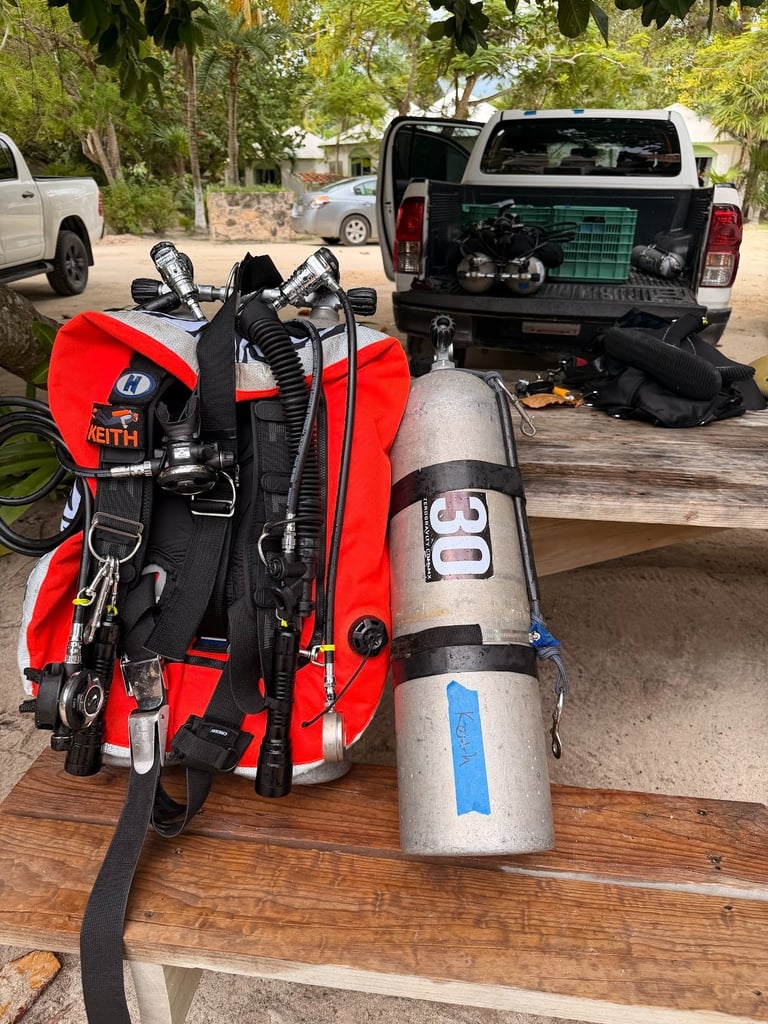
One of the most surprising things diving taught me is how mastery actually looks.
In marketing, progress is visible. You share wins. You quantify impact. You post on LinkedIn.
In diving, improvement is invisible. It shows up as smoother motion underwater. Fewer corrections. Less mental noise. Other divers notice it before you do.
You don’t rush certifications. You earn trust through consistency and repetition. That has changed how I think about leadership. The best teams don’t feel frantic. They feel settled. Roles are clear. Signals are calm. Decisions don’t require theatrics. Confidence doesn’t need volume. It thrives with alignment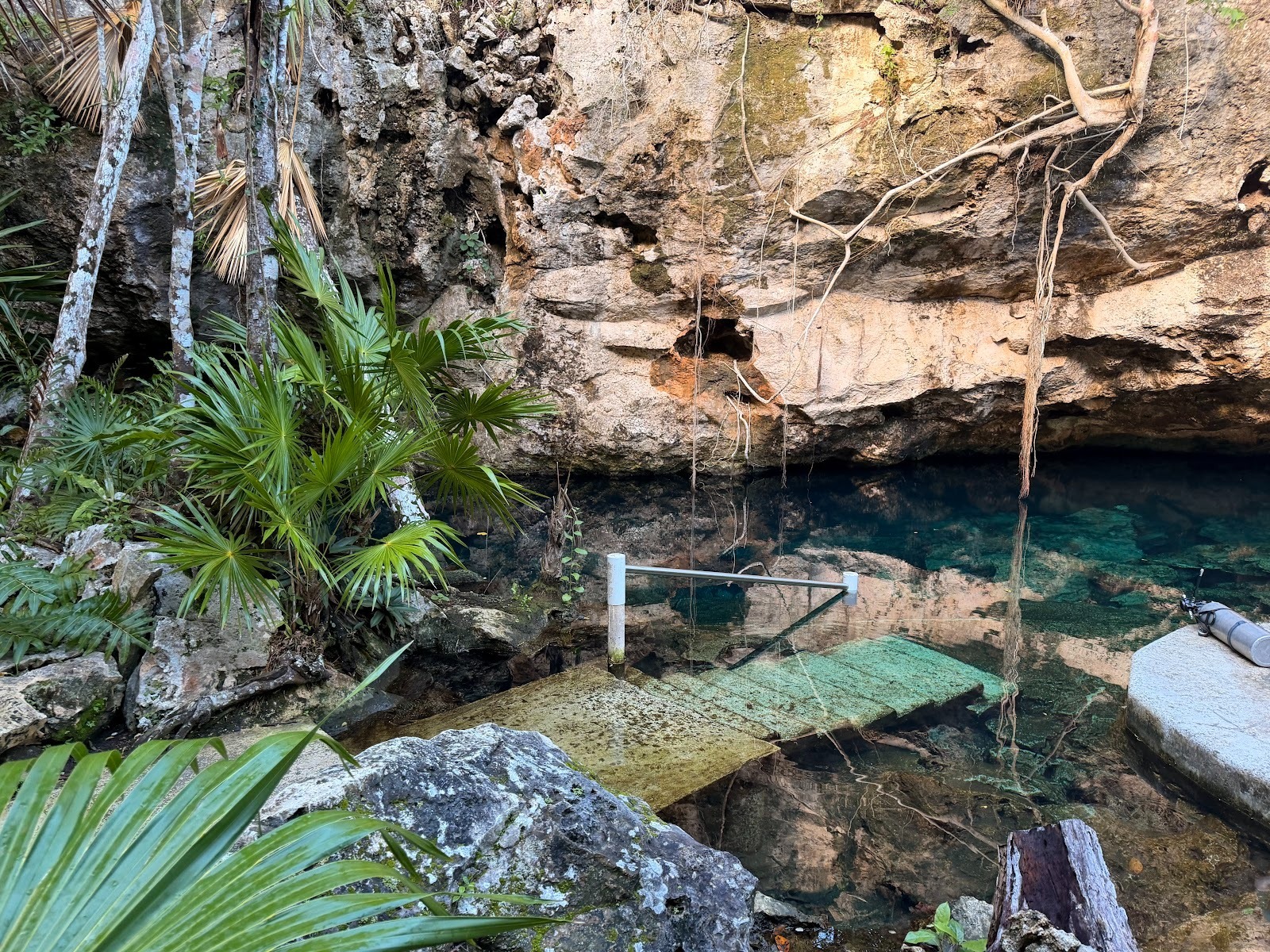
Technical diving is not reckless, it carries real stakes. That changes how you treat people. Briefings are explicit. Assumptions are dangerous. Ego is a liability. When someone struggles, you don’t shame them. You slow down. You reset. You make space for correction.
That mindset follows me back to work.
I’m more patient in disagreement. More curious in moments of friction. More willing to pause instead of push. When you’ve learned to manage stress in a cavern, a tense meeting feels solvable.
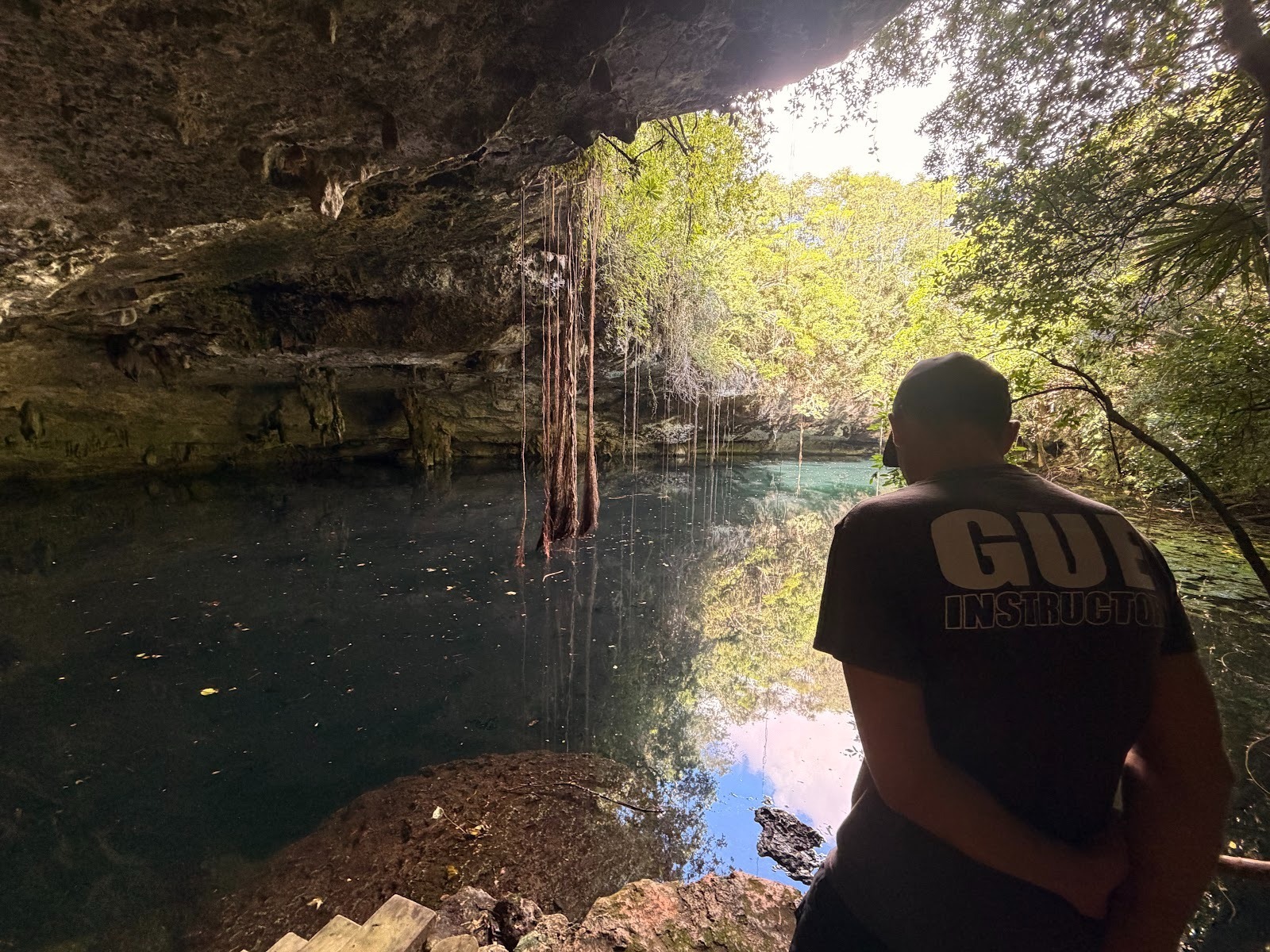
As my career has matured, I’ve become less interested in side projects that look impressive and more interested in ones that make me durable.
Diving doesn’t feed my résumé. It feeds my nervous system.
It reminds me that preparation matters more than speed. That clarity often arrives when you stop chasing it. That being a student again - slowly & humbly - is a gift.
Thinking about an event like Digital Summit: Tampa, surrounded by marketers thinking about what’s next, this feels worth sharing.
Not because everyone needs to dive. But because everyone needs something that pulls them out of performance mode and back into presence. For me, that place just happens to be underwater. 🤿