
Field Notes
The Mentor
October 2026


Editor’s Note
This article is part of a Digital Summit Collective series where we’re turning standout live sessions from recent Digital Summit events into actionable, on-demand insights for our community. Each piece is adapted from a real stage presentation—capturing the ideas, examples, and strategic thinking that resonated most with attendees.
How an invitation to participate became a personal connection, and what communicators can learn from letting people care.
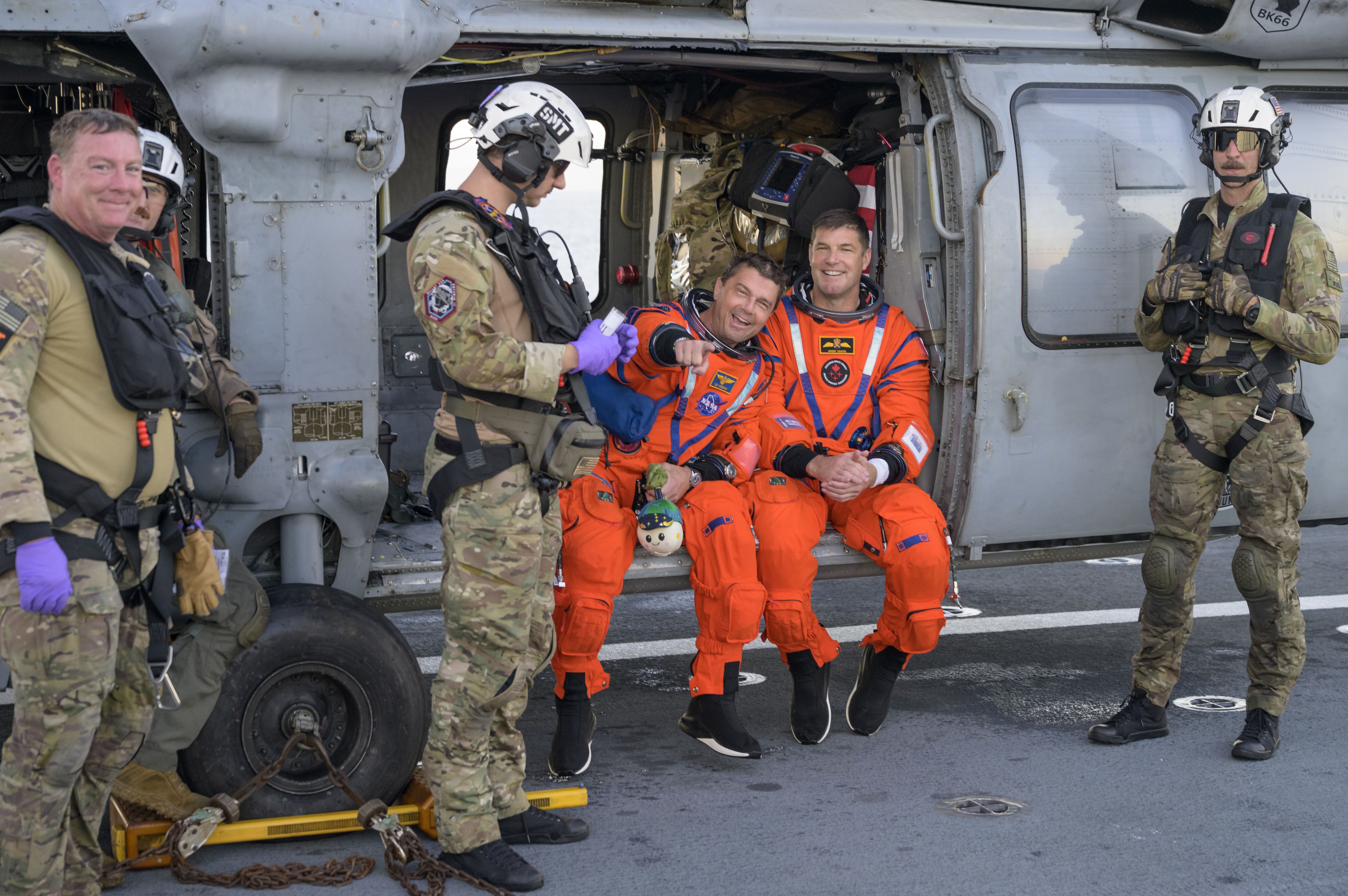
.jpg?width=768&height=608&name=IMG_9414%20(1).jpg) As the astronauts returned home, people watching NASA’s coverage had another crew member on their minds.
As the astronauts returned home, people watching NASA’s coverage had another crew member on their minds.
Where was Rise? Was Rise safe?
The small plush mascot had become a beloved part of the Artemis II mission. Viewers had watched it float through the spacecraft while the crew interacted with it. Now, as the astronauts emerged, comments asking about its whereabouts poured in.
Behind the accounts, the digital team was anxious, too. They had been told retrieving the mascot immediately would be complicated. It might need to stay inside.
Then NASA astronaut and mission commander Reid Wiseman appeared with Rise in his hands.
“The Internet rejoiced,” Thalia Patrinos recalled.
So did the people running the coverage.
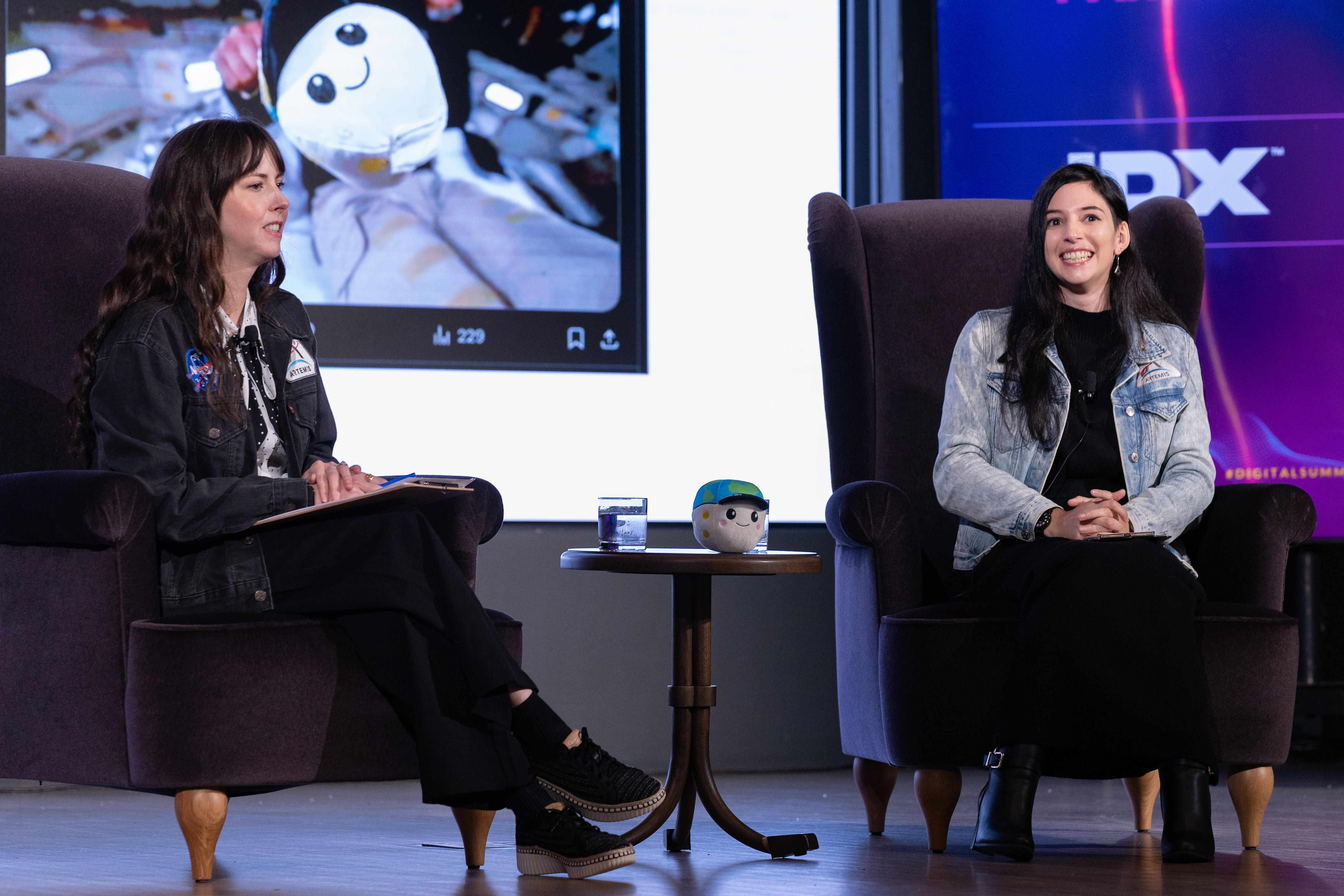
That story captured the heart of Over the Moon: Leadership Lessons in Authenticity from Artemis Digital, a conversation with Patrinos, Artemis digital lead, and Lisa Allen, Artemis digital engagement manager. Their account of the mission was full of pride, laughter, and the occasional admission that they were still recovering from the work.
For communicators, it offered a close look at what happens when people become emotionally invested in a story, and how a team can recognize and care for that connection.
Give People a Personal Reason to Participate
Patrinos starts her digital strategy work with a question: What can you give your audience that they cannot get anywhere else?
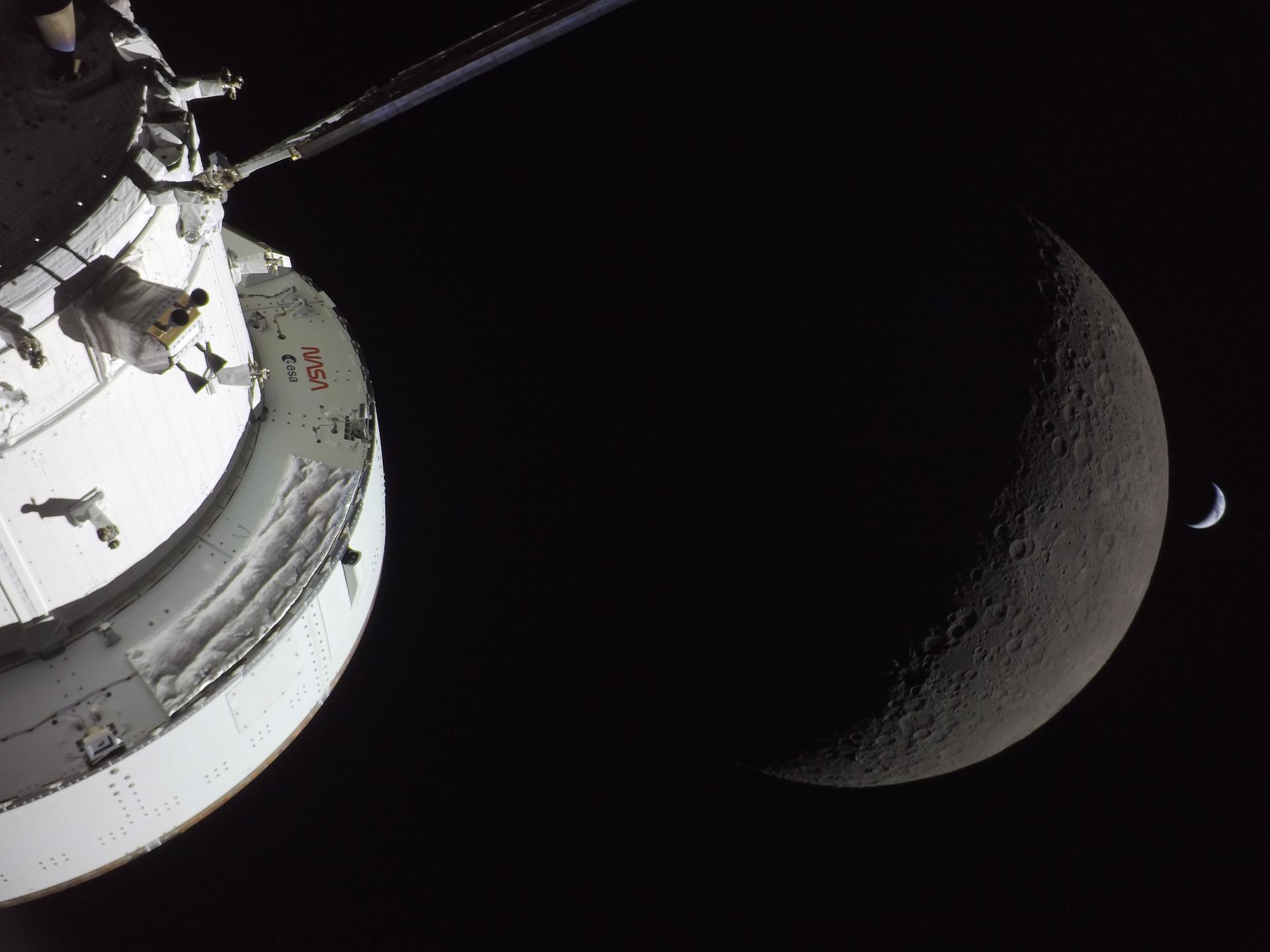
NASA’s Send Your Name campaign offered a simple answer. People could submit a name to travel aboard a spacecraft, creating a small, personal connection to a mission far beyond Earth.
Millions participated. But as the team read comments and responses, they discovered uses they had not anticipated. People submitted names on behalf of friends, families, and entire classrooms. Others sent the names of loved ones who had died.
A straightforward invitation had become a way to remember someone.
Patrinos described helping make that possible as an honor. The participation totals mattered, but they could not explain the meaning behind each submission.
For marketers, that distinction is worth remembering. A response counted in a report may carry a story your team knows nothing about. Reading comments, listening to participants, and asking why something mattered can reveal value that a dashboard alone will miss.
Follow Through on the Invitation
Rise gave the public another way to become part of the mission.
The team had worked to open a design contest for the spacecraft’s zero-gravity indicator, a plush object that floats when the crew reaches weightlessness. The astronauts wanted submissions from around the world, reflecting their desire to bring people along for the experience.
They selected Rise, designed by an elementary school student from California named Lucas Ye.
As the mission unfolded, audiences watched the crew bond with the mascot. The team described it as a fifth crew member, a character whose journey people could follow and whose return they cared about.
That attachment inspired a social media takeover from Rise’s perspective. Patrinos gathered content with a replica on the ground, while colleagues planned posts and helped respond to the flood of comments.
Allen laughed about how the mascot’s cheerful voice followed them into their own conversations. By the end of the day, they could barely stop using exclamation points.
For a team responsible for a government account, the opportunity to be playful was memorable. It also gave them a way to return some of the affection they were receiving.
Participation had continued well beyond the contest. The team kept showing people where their contribution had gone and made space for the relationship to grow.
Prepare for the Moments You Cannot Predict
The team expected large audiences for launch, the lunar flyby, and splashdown. They were less prepared for how closely people would follow everything in between.
Viewers described keeping the coverage on for hours. Some called the crew their “emotional support astronauts.” The mission became part of their daily routines.
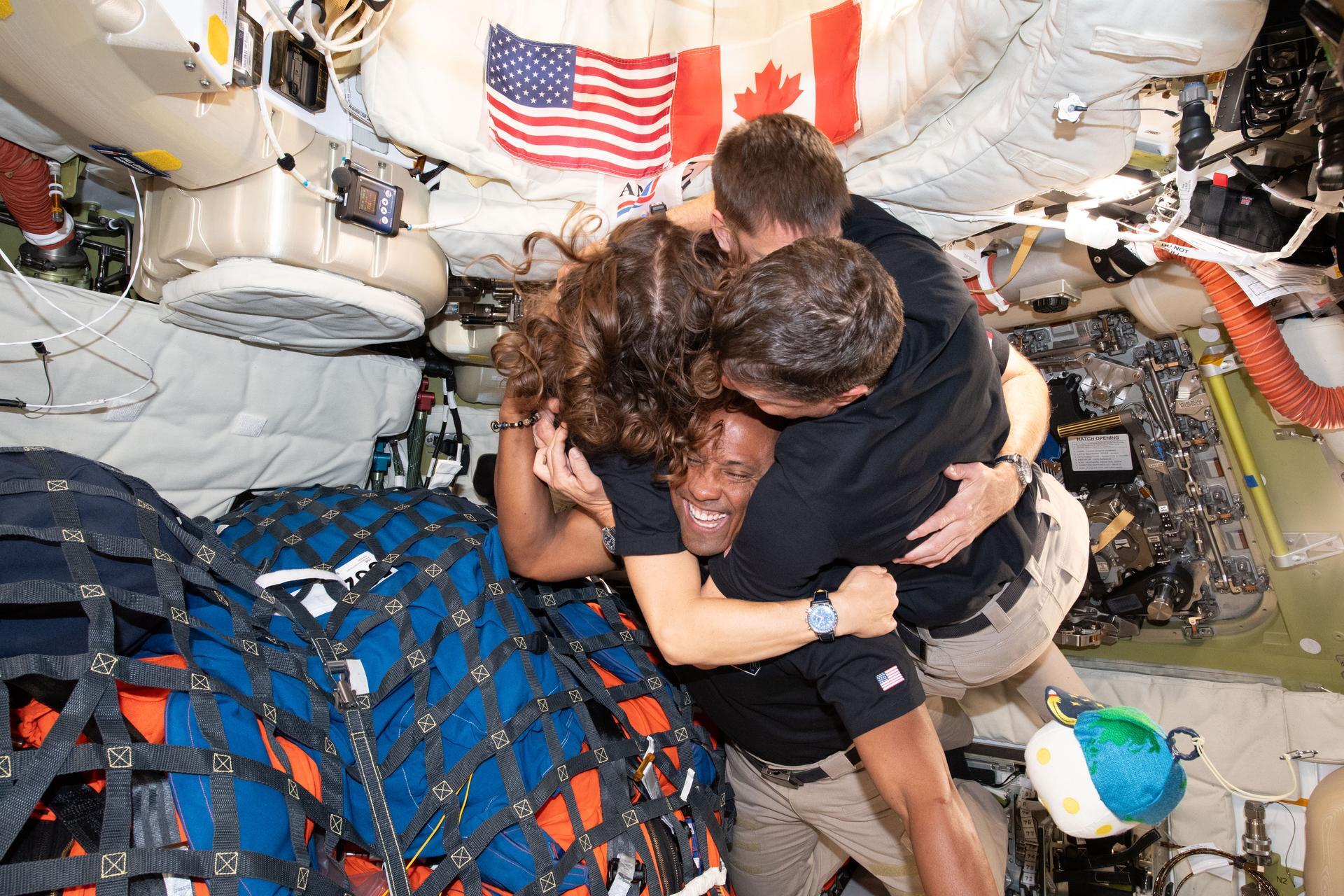 That interest changed the work. The team brought in colleagues, adjusted coverage, and created content around moments that had never appeared in the original plan.
When the astronauts filmed playful introductions inspired by old sitcoms, the digital team turned the footage into Full Capsule, a spoof of the popular TGIF sitcom Full House. The idea came from the crew having fun together, and the team recognized something worth sharing.
Their ability to respond rested on years of preparation. Patrinos had mapped mission milestones and associated digital content in a detailed spreadsheet. Once audience interest expanded, that document helped the team find additional opportunities.
Planning gave them a place to start when the story became bigger than expected. Their experience also showed that adapting takes people and capacity. Recognizing a moment is only useful if the team has support to act on it.
Let the People Behind the Work Set the Tone
The mission was naturally the crew’s main focus, and the digital team also wanted audiences to get to know the astronauts bringing it to life.
Patrinos and Allen spoke candidly about developing a communications approach that worked for the crew. The astronauts gravitated toward natural, unscripted interactions and preferred to appear together as one crew. They enjoyed opportunities to share their knowledge and enthusiasm for the mission, whether explaining lunar features or all that went into sending humans to the Moon.
The communications team learned from those experiences and adapted based on what worked best.
Those conversations helped create opportunities for the crew to share their knowledge, humor, and reactions in ways that felt natural to them. Audiences could get to know the astronauts through their shared purpose and excitement about the work.
For employee and leadership storytelling, there is a useful lesson here. Inviting someone to explain the work they love can bring out their personality and expertise. Finding that opportunity can lead to a better story and a better experience for the person sharing it.
Recognize When a Moment Needs Room
One of the most emotional moments the speakers recalled involved the crew proposing names for lunar craters. One honored their spacecraft, Integrity. Another honored commander Reid Wiseman’s late wife, Carroll.
The astronauts were visibly moved. So were people watching.
Allen reflected on how many members of the public seemed to feel connected to the crew through this story of grief. Here were people taking part in an extraordinary mission while carrying an experience many viewers understood deeply.
The digital team had wanted to humanize the mission from the beginning. This moment emerged from the crew’s own relationships and feelings.
A few hours later, the spacecraft approached a planned communications blackout as it traveled behind the Moon. Before the connection went quiet, Victor Glover offered a message to those watching from home:
“We love you from the Moon.”
The reply came from mission control: “We’ll see you on the other side.”
 Recounting it during the session still gave Allen chills.
For the team, moments like these called for restraint as well as attention. Their role was to recognize their significance and let people experience them without trying to manufacture or improve the emotion.
What To Do Right Now
The Bottom Line: Remember Who Is Watching
NASA’s team could offer remarkable views, technical expertise, and access to a journey around the Moon. What stayed with audiences also included a name, a small mascot, a joke between crewmates, and a message of love before the signal went quiet.
Thalia and Lisa’s conversation made clear that the people behind the accounts felt those moments, too. They were watching comments, answering questions, laughing together, and hoping Rise would make it out of the spacecraft.
Their work offers a reminder to communicators: pay attention to what people care about once you invite them in. That may become the most important part of the story you tell.
Watch the Full Session
This article was adapted from Over the Moon: Leadership Lessons in Authenticity from Artemis Digital, presented by Thalia Patrinos and Lisa Allen of NASA’s Artemis digital team at Digital Summit Philadelphia.
Watch the full video here.